For a decade, beauty chased a certain kind of perfection: flawless filters, poreless skin, the same viral look on every feed. That era is fading. Mintel’s latest global beauty predictions point to three shifts that will shape how we look after ourselves through 2027 and beyond, and all three put people, not algorithms, back at the centre.
1. Beauty that starts on the inside
Mintel describes metabolic health as “emerging as a foundation for skin and hair care”. In plain terms, people are connecting how they look with how they live: sleep, stress, diet, hormones and gut health. Clients increasingly want products and treatments that are backed by science and tailored to them, not one-size-fits-all routines.
What it means for you as a client: expect your stylist or skin therapist to ask more questions. Thinning hair, a flaky scalp or sudden breakouts are often signals worth paying attention to, and a good professional will know when to suggest seeing a doctor or dermatologist rather than selling you another product.
What it means for professionals: scalp care, consultation time and genuine aftercare advice become part of the service, not an extra. Clients will pay for expertise they can trust.
2. Treatments that change how you feel
The second shift is emotional. Beauty is increasingly expected to calm, lift or ground us. Functional fragrance, rich textures and ritual-style treatments are growing because people want ten minutes of peace as much as they want a new colour.
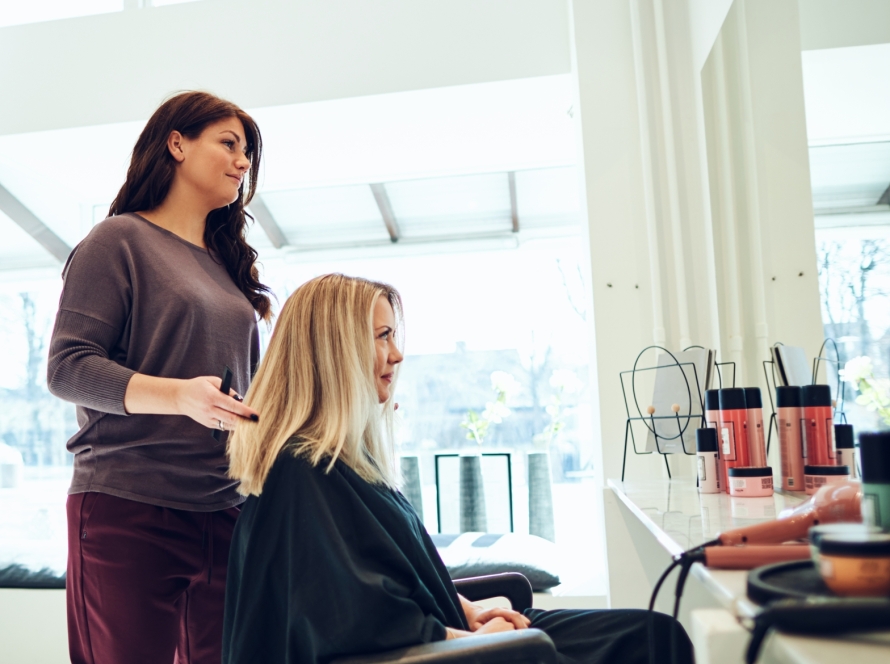
This is where the salon experience matters. A slow scalp massage at the basin, a quiet room without a blaring playlist, a signature scent, a cup of rooibos while the toner develops: these small, sensory details are what clients remember and come back for.
3. The backlash against “AI perfect”
The most interesting prediction may be this one. After years of filters and AI-generated faces, consumers are turning back towards authenticity, craftsmanship and visible human skill. Texture, freckles and individuality are being celebrated rather than edited out, and imperfection is becoming a sign of trust.
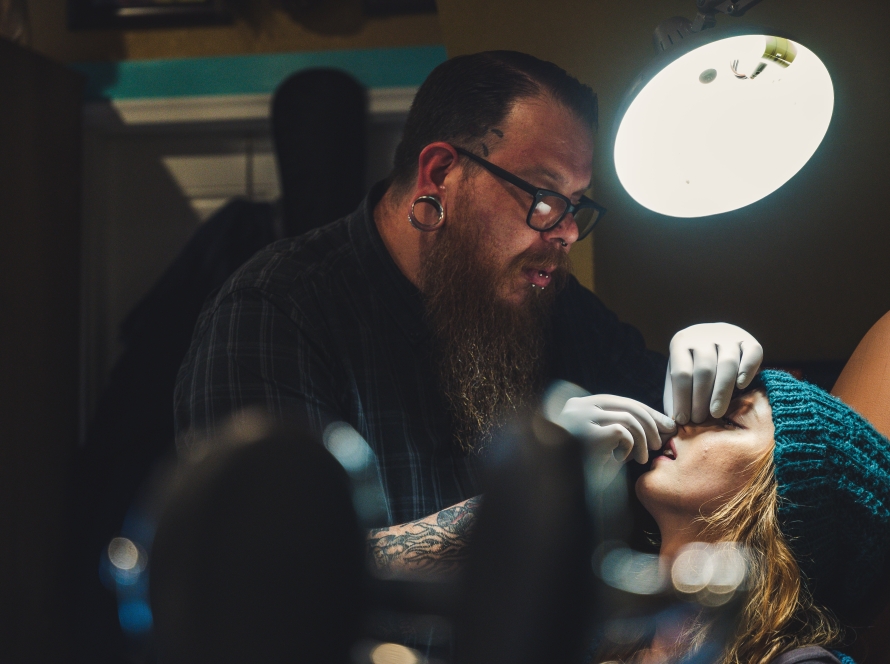
That is excellent news for skilled independent professionals. A precision cut, a hand-painted balayage, a set of lashes shaped for one particular face: these are things no app can do, and clients increasingly value the person behind the work. Show your process, not just the finished photo.
Why South Africa is paying attention
Locally, beauty has quietly become one of retail’s bright spots. South Africa’s beauty market is worth an estimated US$4 billion, and retailers are giving it far more space in their stores. Woolworths, for example, reports that its beauty revenue more than doubled in two years to over R1 billion. People may be cautious about spending, but they are still investing in feeling good.
The takeaway
The future of beauty looks less like a filter and more like a great appointment: an expert who understands you, a space that helps you breathe out, and results that look like you on your best day. That’s exactly the kind of experience we’re building at CapeLuxe.
Sources: Mintel predictions via StyleSpeak · Mintel: 2027 beauty and personal care predictions · IGDS: South Africa’s booming beauty market