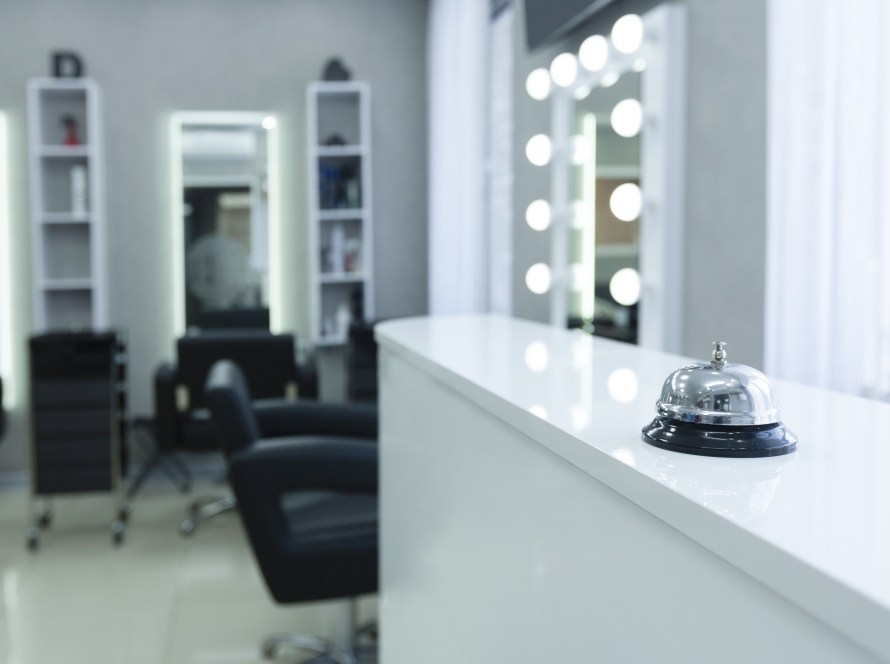
Walk through almost any American city today and you’ll find buildings full of tiny, beautifully designed salons, each run by a single stylist, colourist, nail artist or aesthetician. It’s called the salon suite model, and it has quietly changed how beauty professionals work. Industry observers now describe it as a structural shift rather than a passing trend. Here’s why it happened, and why it’s starting to make sense in South Africa too.
What is a salon suite?
A salon suite is a private, lockable studio inside a shared building. The landlord provides the fit-out, utilities, security, cleaning of common areas and often booking or marketing support. The professional brings their skills, clients and brand. Big names such as Sola Salon Studios and Phenix Salon Suites have grown nationwide chains in the US on this idea.
Why professionals are going solo
Control. In a suite, you set your prices, hours, service menu and product lines. Nobody tells you which colour brand to use or when to take lunch.
Keeping what you earn. Instead of handing over a large share of every service, you pay a fixed rent. Once your bookings pass the break-even point, the rest is yours.
Social media changed the marketing game. Ten years ago, stylists needed a salon’s shopfront and walk-ins. Today, Instagram and TikTok let a talented professional build a loyal following on their own.
Technology took over the admin. Online booking, automated reminders and card machines on your phone have replaced much of what a front desk used to do.
A new generation thinks like founders. Younger professionals increasingly see themselves as personal brands and business owners rather than employees, and they want flexibility to match.
Clients prefer it. A private room means one-on-one attention, no shouting over hairdryers, and a calmer, more personal experience.
The honest trade-offs
Going solo isn’t for everyone. In a suite there are no walk-ins, so you need clients who already book you by name. You’re responsible for your own marketing, stock and bookkeeping, and some people miss the energy and teamwork of a busy salon floor. The professionals who thrive tend to have a following, a clear brand and the discipline to treat their craft as a business.
Why it fits South Africa now
Independence is nothing new for South African beauty professionals. Many already work from home studios, travel to clients or rent chairs. What’s often missing is the middle step: a professional, premium space where you can run your own business without signing a full commercial lease or paying for an entire salon fit-out yourself.
At the same time, demand for beauty keeps growing. South Africa’s beauty market is estimated at around US$4 billion, and major retailers are expanding their beauty ranges because the category keeps performing when others stall. Clients are spending, and they’re looking for experiences that feel personal.
Is it right for you?
Ask yourself three questions. Would most of your clients follow you? Could you charge more in a private, premium space? And are you ready to spend a few hours a week running the business side? If the answer is yes, a suite could be the step that turns your skills into your own brand.
CapeLuxe Salons is bringing this model to Cape Town, with private, fully equipped suites for independent beauty professionals. Founding members get their first month free. Find out more and apply.
Sources: IBTimes UK: why salon suites are taking over the beauty industry · Phenix Salon Suites: suite vs booth rental · IGDS: South Africa’s booming beauty market