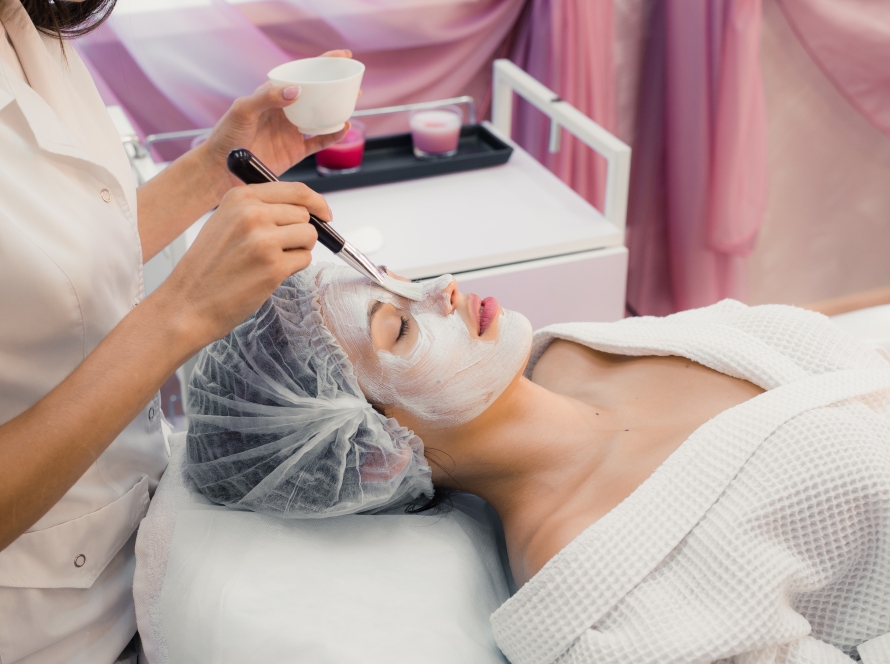
For years, we have treated our faces to serums, gentle exfoliants and barrier creams, while our scalps got whatever shampoo happened to be in the shower. That is changing fast. Across the global beauty industry, the scalp is now being treated as what it actually is: skin. Analysts have a name for it, the “skinification” of hair care, and it is one of the most interesting shifts heading into 2027.
A trend backed by the data
Market researcher Euromonitor International reports that scalp health has climbed to become the third most desired hair care benefit in 2025, up from fifth place in 2021, and is now sought by 24% of hair care shoppers. Euromonitor also found that the number of hair care products sold online containing niacinamide, a skincare favourite, has risen more than twelvefold since 2022.
In the UK, Cosmetics Business reports Worldpanel by Numerator data showing scalp care has grown 50% over the past five years, while trend-tracking firm Spate measured a 105.6% jump in search interest in hair shedding in January 2026 compared with a year earlier. In the United States, a Mintel analyst told Glossy that 47% of hair care consumers believe scalp health affects the overall health and appearance of their hair.
In short, people are connecting the dots: healthy hair starts at the root.
What “scalp-first” actually means
The idea is simple. Your scalp has its own skin barrier, oil glands and microbiome, and it reacts to dryness, product build-up, sun and stress much like the skin on your face. A scalp-first routine looks after that environment so the hair growing from it has the best possible start. You will see familiar skincare ingredients popping up in shampoos, tonics and leave-in serums, including:
- Niacinamide to support the skin barrier
- Hyaluronic acid and glycerin for hydration
- Ceramides to help skin hold on to moisture
- Gentle acids (AHAs and BHAs) to lift build-up and flakes
- Peptides, increasingly marketed for density and strength
Industry experts quoted in Cosmetics Business have also warned against “longevity washing”, meaning bold claims without evidence. It is worth looking for brands that explain clearly what a product does and how they tested it.
Why it matters in a Cape Town summer
Our summer asks a lot of the scalp. A strong southern-hemisphere sun beats down on partings and thinning areas, the Southeaster whips up dust and dries everything out, and a dip at Muizenberg or a hotel pool leaves salt and chlorine behind. Add sunscreen, sweat and dry shampoo between washes, and it is easy for build-up and irritation to creep in.
A few simple scalp-first habits can help:
- Cleanse the scalp, not just the lengths. Focus shampoo on the scalp with your fingertips (not nails), and let the lather rinse through the ends.
- Exfoliate occasionally. A gentle scalp scrub or acid-based pre-wash treatment every week or two can lift build-up, especially if you use dry shampoo or styling products often.
- Protect your parting. A hat on long beach days is the easiest win, or look for scalp-friendly SPF sprays and powders.
- Rinse after the sea or pool. A quick fresh-water rinse removes salt and chlorine before they dry on the scalp.
- Treat it like skin. If a product would irritate your face, think twice before massaging it into your scalp daily.
Ask your stylist for a scalp check
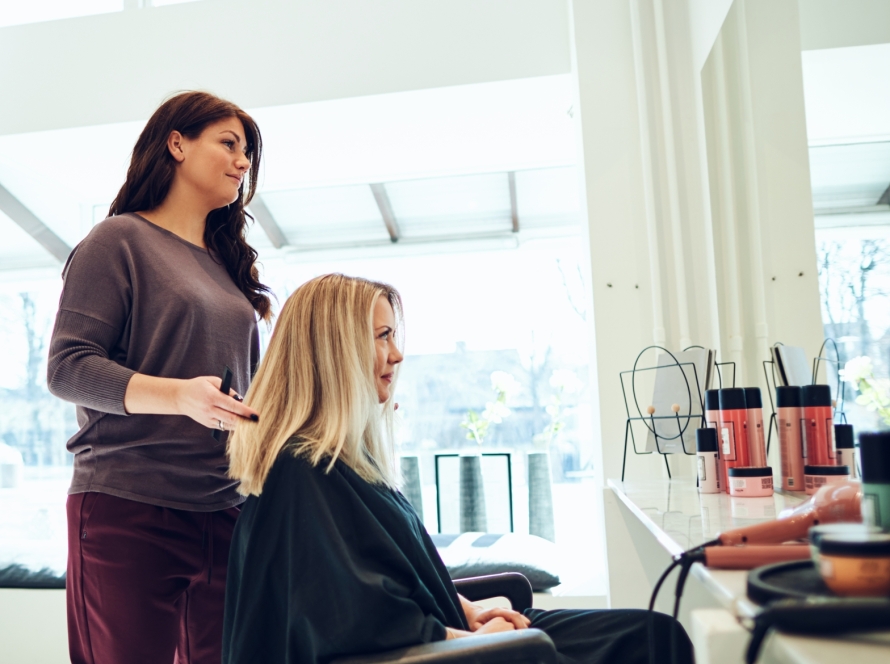
One of the nicest side effects of this trend is that more stylists are offering scalp analysis, detox treatments and relaxing scalp massages as part of a cut or colour appointment. Your hairdresser sees your scalp more closely than anyone else, so they are well placed to notice dryness, build-up or changes in density and suggest a routine. If you notice persistent itching, flaking, redness or unusual shedding, though, that is a job for a doctor or dermatologist.
Whether it is a deep-cleansing scalp treatment before a holiday or a quick check-in at your next trim, giving your scalp a little skincare-style attention is one trend that makes a lot of sense.
This article is general guidance, not medical advice. Please see a doctor or dermatologist about any ongoing scalp or hair-loss concerns.
Sources: Euromonitor via MedEsthetics – Scalp-First: The New Longevity Play in Hair Care; Cosmetics Business – Top 5 hair care trends of 2026; Glossy – The hair longevity trend